Delhi woke up early on July 20, 2026. Barricades went up around Jantar Mantar before dawn. Metro stations shut their gates. Riot police lined the streets near Parliament. The occasion was a march that had been building for weeks: the Cockroach Janta Party’s “Sansad Chalo,” or “March to Parliament,” timed to coincide with the opening of the Monsoon Session.
At the centre of it all was a man who was not even there in person. Sonam Wangchuk, the activist behind the protest, lay in a hospital bed at Safdarjung, three weeks into a hunger strike doctors said had become life-threatening.
.jpg)
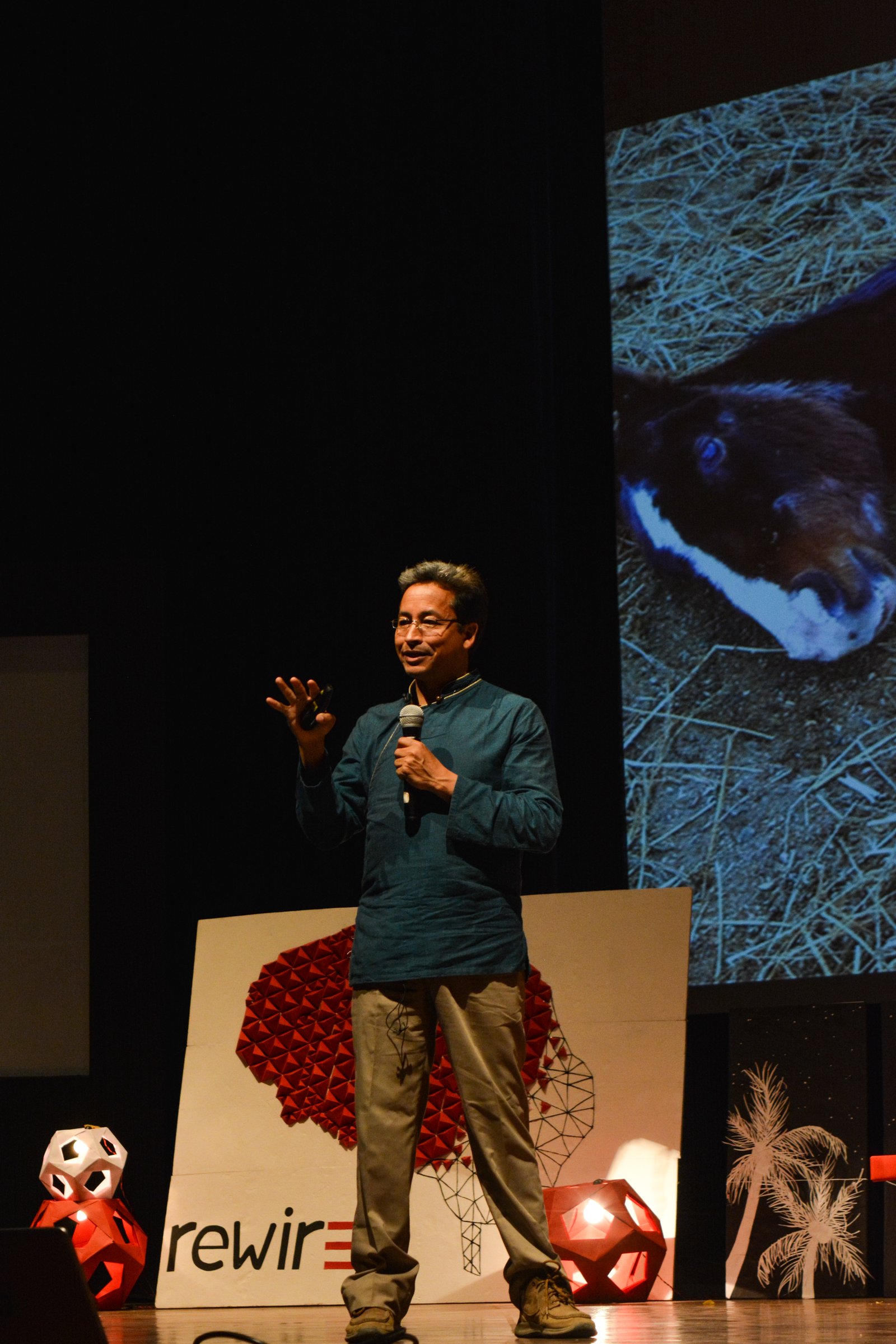
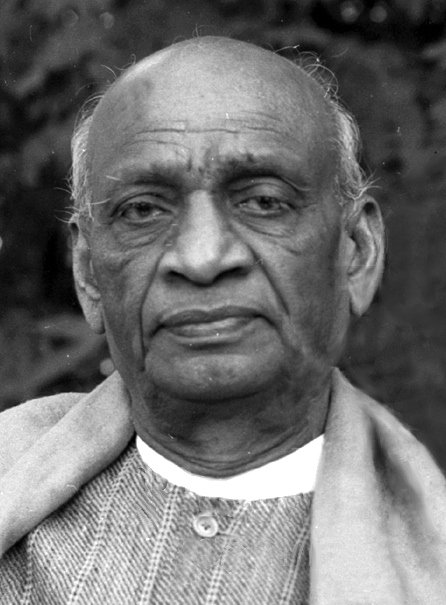
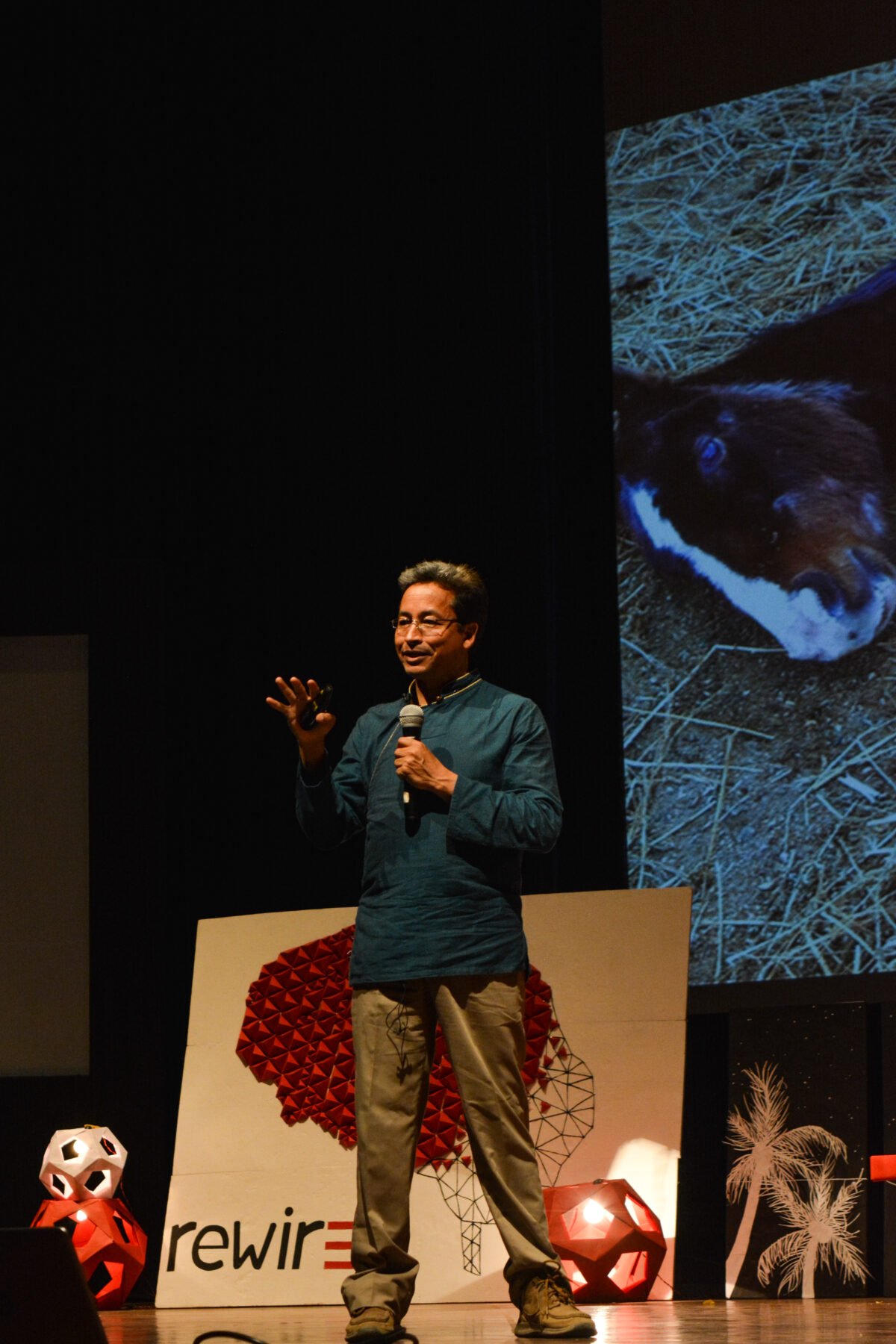
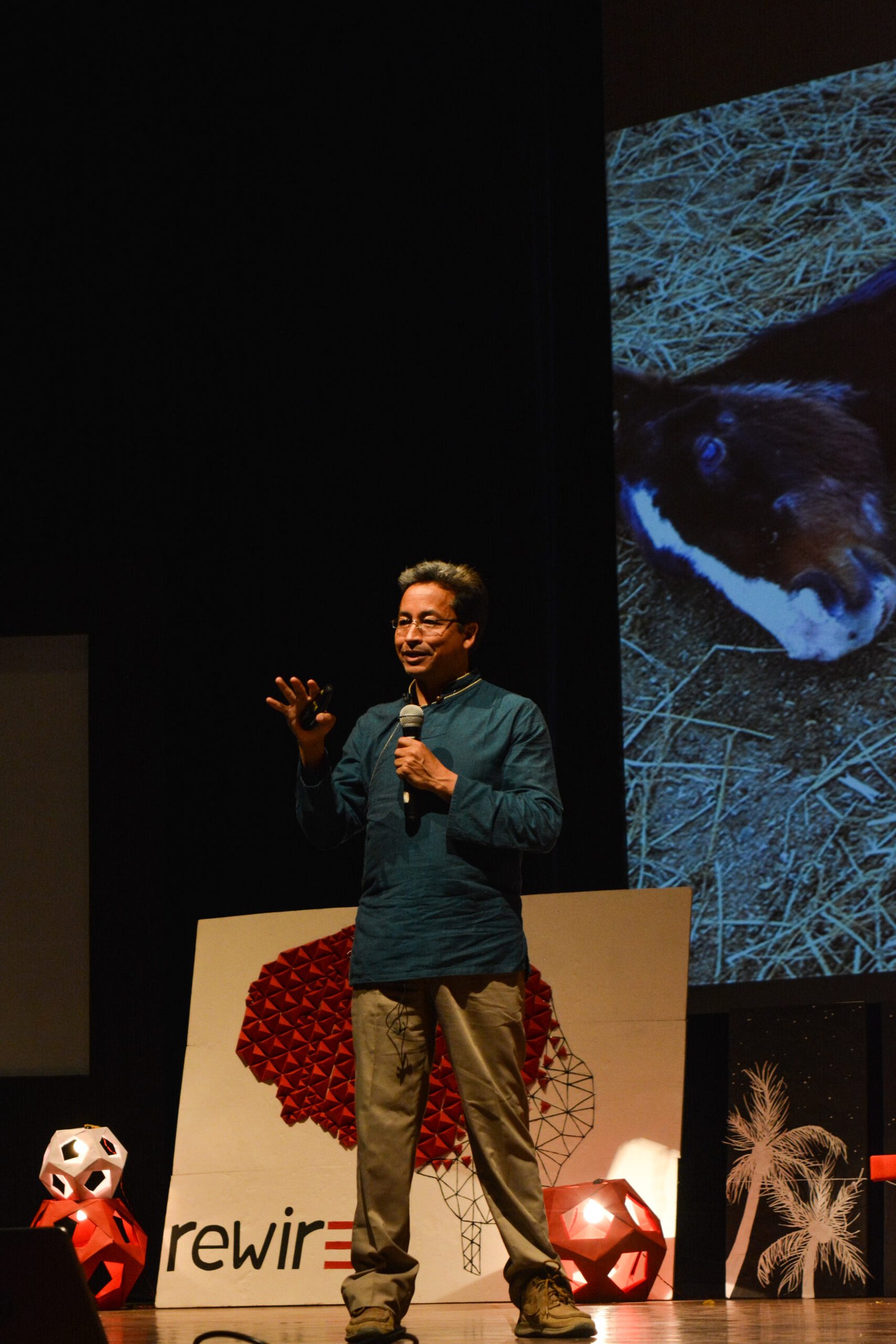
Sonam Wangchuk, whose hunger strike set off the events leading to the July 20 Parliament march. Click either image to view or download the full size version. (Images: Wikimedia Commons)
How This Began
The roots of today’s march trace back to May 2026. A satirical youth movement, the Cockroach Janta Party, formed after India’s Chief Justice made remarks comparing unemployed young people to cockroaches. The group’s founder, Abhijeet Dipke, started a sit-in at Jantar Mantar. Their target was Union Education Minister Dharmendra Pradhan. A leaked medical entrance exam paper, the NEET UG exam, had thrown the futures of millions of students into doubt. The CJP wanted Pradhan gone.
Wangchuk joined the fast on June 28. He was already a familiar face in Indian protest politics, known for years of hunger strikes over Ladakh’s political status. This time, his cause was different. But the method was the same one he had used before.
A Fast That Would Not Stop
Wangchuk survived on salt water for over two weeks. He lost roughly ten kilograms. Opposition leaders publicly asked him to stop. Doctors warned that his organs were under strain. On July 16, the Delhi High Court ordered that whatever medical care was needed to save his life should be provided.
Two days later, on July 18, Delhi Police removed Wangchuk from Jantar Mantar and took him to Safdarjung Hospital. It was day 21 of his strike. The CJP called it a forced removal. Police pointed to the court order. His wife, Gitanjali Angmo, stayed by his side and said he intended to continue his fast from the hospital bed.
A Legal Fight Over His Own Body
Angmo did not stop at public statements. She went to court. She asked a single bench of the Delhi High Court to let her move her husband to a private hospital of the family’s choosing. That request was denied. On July 20, she appealed the decision.
Her argument centred on consent. The appeal said the order ignored principles of informed consent and bodily autonomy under Article 21 of the Constitution. It noted that Wangchuk had not been arrested or formally detained, yet was being kept in a government facility against the family’s wishes. The case remains unresolved.
The March Begins
Meanwhile, the protest Wangchuk had asked for went ahead without him. In a message relayed through his wife, he called it “India’s second freedom movement” and urged supporters to make the march a success. Thousands gathered at Jantar Mantar before sunrise.
Dipke led the march alongside Angmo. Opposition politicians joined the crowd, including AAP leaders Gopal Rai, Atishi, and Sanjay Singh, Trinamool MP Mahua Moitra, and Azad Samaj Party chief Chandrashekhar Azad. Actor Prakash Raj was also present. Prohibitory orders under Section 163 of the new criminal code were in force across New Delhi district. The Delhi Metro shut five stations, stranding commuters across the city centre.
Clashes and a Pause for Talks
Tension broke into confrontation before the march could reach Parliament. Protesters clashed with the Rapid Action Force and Delhi Police near Jantar Mantar. Security personnel responded with a lathi charge to disperse the crowd.
Not everything ended in confrontation, though. Government representatives opened talks with CJP members as the standoff continued, and the planned march toward Parliament was paused while those discussions took place. Separately, three student leaders who had been fasting at Jantar Mantar ended their strike after opposition leaders promised to raise their demands inside Parliament. CJP’s chief spokesperson, Saurav Das, said Wangchuk’s condition remained a central concern for the movement throughout the day.
What the Two Sides Want
The protesters’ demands have grown since June. They still want Pradhan’s resignation. They also want reform of India’s exam system, and compensation for families of students who died by suicide after the leak or its fallout. Dipke has stressed repeatedly that the movement intends to stay peaceful, saying anyone who incites disruption cannot claim to represent it.
The government has not accepted the framing of Wangchuk’s hospitalisation as an abduction. Officials have pointed instead to the July 16 court order as the basis for medical intervention. That disagreement, over whether the move was medical necessity or political suppression, remains the sharpest point of dispute between the two sides.
An Echo of Ladakh
None of this is Wangchuk’s first standoff with the state. In 2024, he led a similar march from Leh to Delhi over Ladakh’s statehood demands, and was detained at the capital’s border. In 2025, a hunger strike in Kargil preceded deadly violence in Leh, four deaths, and Wangchuk’s arrest under the National Security Act. Each time, a fast has met a wall of state power, and each time, the confrontation has drawn national attention back to whatever cause he was fasting for.
Where Things Stand
As of today, Wangchuk remains in Safdarjung Hospital, his legal team fighting for the right to move him elsewhere. The Parliament march is paused, not cancelled, pending the outcome of talks between the government and CJP. Whether those talks produce Pradhan’s resignation, or exam reform, or nothing at all, is still unknown. What is clear is that a hunger strike that began as a Gen-Z protest over exam fairness has become, once again, a test of how far India’s protest movements can push before the state pushes back.
For more coverage of protest movements and public affairs in India, visit BhagatSingh. For general background on the institutions involved, see Wikipedia.