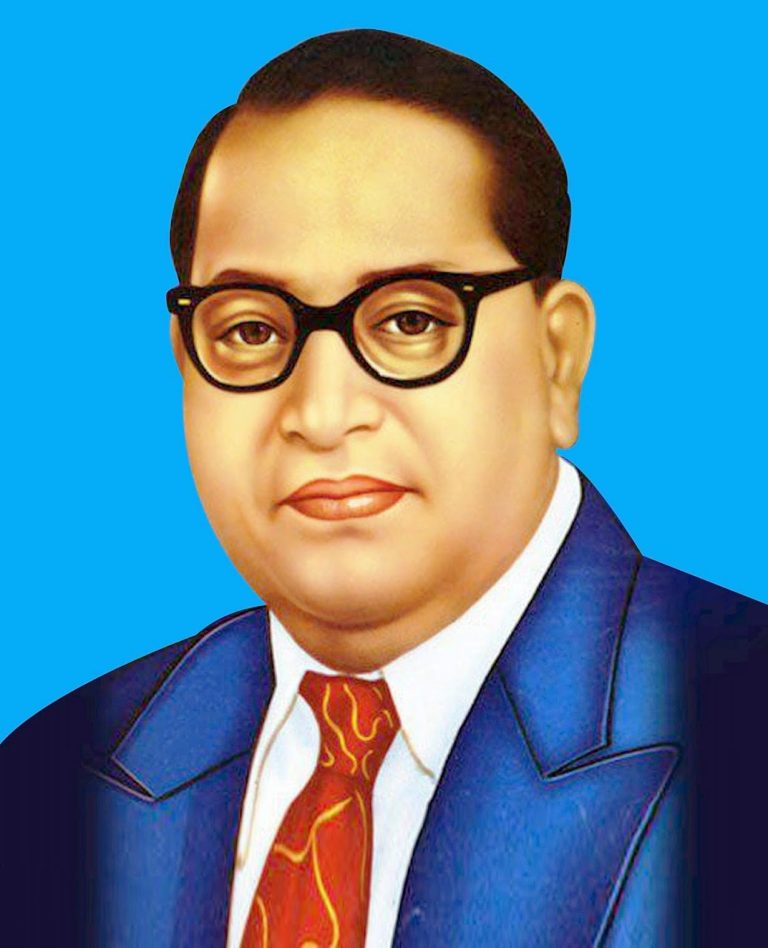
Dr. B.R. Ambedkar and the Poona Pact (1932)
The Poona Pact was an agreement signed on September 24, 1932, between Dr. B.R. Ambedkar and Mahatma Gandhi regarding the political representation of the Depressed Classes (Dalits) in British India.
Background
- The Communal Award (1932) by the British government granted separate electorates for the Depressed Classes, allowing Dalits to elect their own representatives.
- Mahatma Gandhi opposed this, fearing it would divide Hindu society. He started a fast unto death in Yerwada Jail, Pune.
- To prevent Gandhi’s death and to ensure Dalit rights, Dr. Ambedkar negotiated a compromise—this resulted in the Poona Pact.
Key Provisions of the Poona Pact
- Reserved Seats – Instead of separate electorates, Depressed Classes were given reserved seats in provincial legislatures. The number increased from 71 to 147.
- Joint Electorate – Dalits would vote in the general electorate but elect representatives from their own community.
- Educational & Social Upliftment – Government committed to improving education and socio-economic conditions for the Dalits.
Significance
- The Poona Pact increased Dalit political representation, though Ambedkar later expressed dissatisfaction as it did not ensure true independence for Dalits.
- It shaped India’s reservation policy, which continues today.
- It marked a major moment in Dalit rights and the struggle against caste discrimination.
Dr. Ambedkar later criticized the agreement, believing it kept Dalits dependent on upper-caste Hindus instead of empowering them fully.