Artificial intelligence is one of the most important ideas shaping modern technology, business, and everyday life. It refers to the ability of machines and software to perform tasks that once required human intelligence, such as recognizing patterns, learning from data, making predictions, and solving problems.
As artificial intelligence continues to influence industries such as healthcare, education, finance, transportation, and entertainment, readers are looking for clear, practical explanations that go beyond hype. This guide offers a beginner-friendly overview while also covering the key concepts and real-world applications people want to understand.

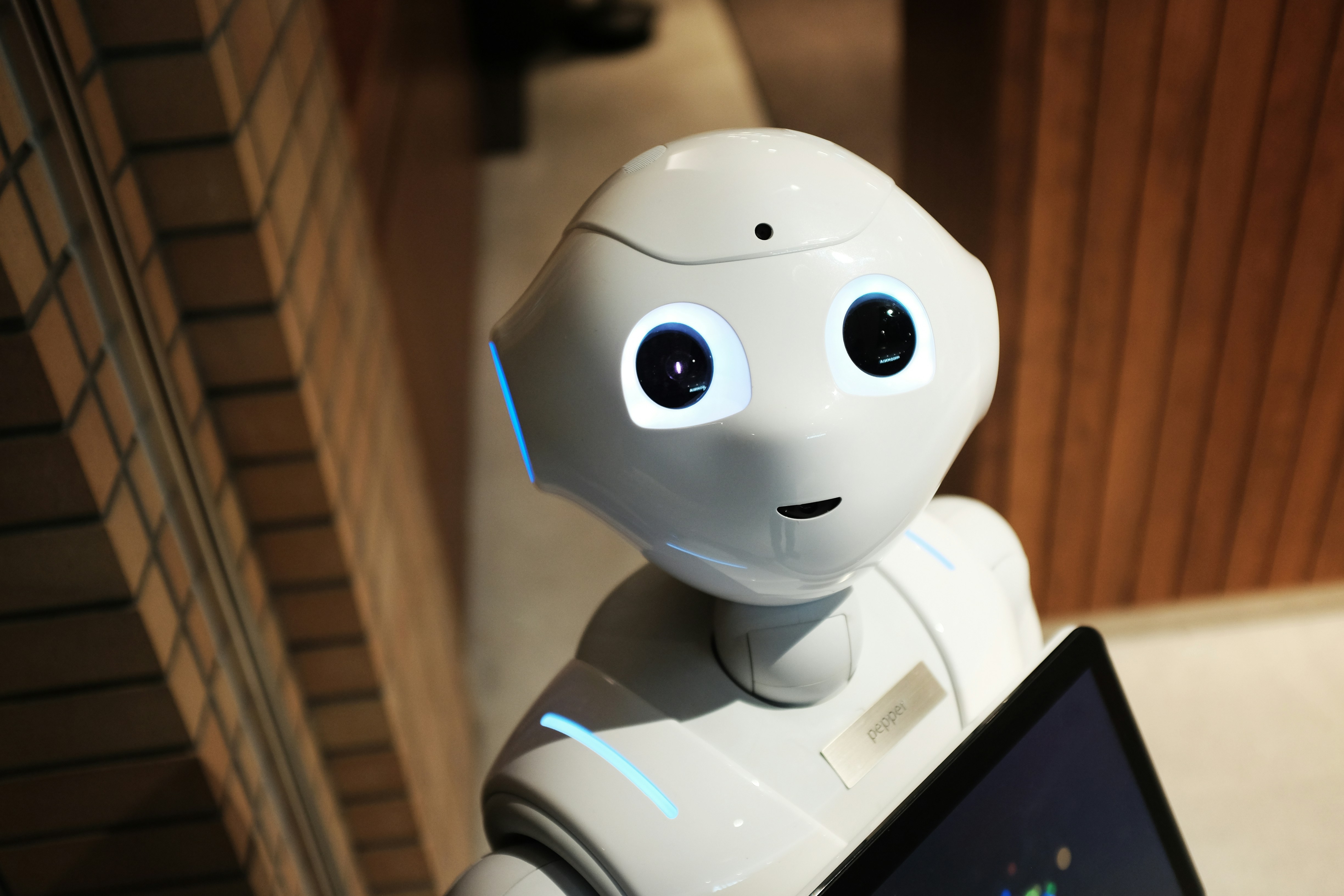
What is Artificial Intelligence?
Artificial intelligence is the field of creating systems that can perform cognitive tasks such as understanding language, recognizing images, and making decisions based on data.
Understanding artificial intelligence in practical terms helps people separate realistic benefits from exaggerated claims. The best way to evaluate AI is to look at the specific problem it solves, the quality of the data it uses, and the safeguards that govern its deployment.
How Artificial Intelligence Works
Most modern AI systems use machine learning, neural networks, and large datasets to recognize patterns and improve over time.
Understanding artificial intelligence in practical terms helps people separate realistic benefits from exaggerated claims. The best way to evaluate AI is to look at the specific problem it solves, the quality of the data it uses, and the safeguards that govern its deployment.
Types of Artificial Intelligence
AI can be narrow, focused on specific tasks, or more general, though highly general systems remain a topic of research and debate.
Understanding artificial intelligence in practical terms helps people separate realistic benefits from exaggerated claims. The best way to evaluate AI is to look at the specific problem it solves, the quality of the data it uses, and the safeguards that govern its deployment.
Benefits of Artificial Intelligence
AI helps organizations automate repetitive work, improve accuracy, analyze huge datasets, and support better decision-making.
Understanding artificial intelligence in practical terms helps people separate realistic benefits from exaggerated claims. The best way to evaluate AI is to look at the specific problem it solves, the quality of the data it uses, and the safeguards that govern its deployment.
Risks and Challenges
AI also raises concerns around bias, privacy, job disruption, misinformation, and the need for responsible governance.
Understanding artificial intelligence in practical terms helps people separate realistic benefits from exaggerated claims. The best way to evaluate AI is to look at the specific problem it solves, the quality of the data it uses, and the safeguards that govern its deployment.
Real-World Applications
From virtual assistants to recommendation engines and medical imaging tools, artificial intelligence is already transforming daily life.
Understanding artificial intelligence in practical terms helps people separate realistic benefits from exaggerated claims. The best way to evaluate AI is to look at the specific problem it solves, the quality of the data it uses, and the safeguards that govern its deployment.
In the end, artificial intelligence is best understood as a set of technologies that can augment human ability rather than replace it entirely. When used carefully, AI can improve efficiency, support research, and create smarter services across many industries.
For readers, the most useful perspective is to focus on real-world impact, ethical use, and clear evidence of value. That makes artificial intelligence easier to understand and more practical to evaluate.